Terminals +info
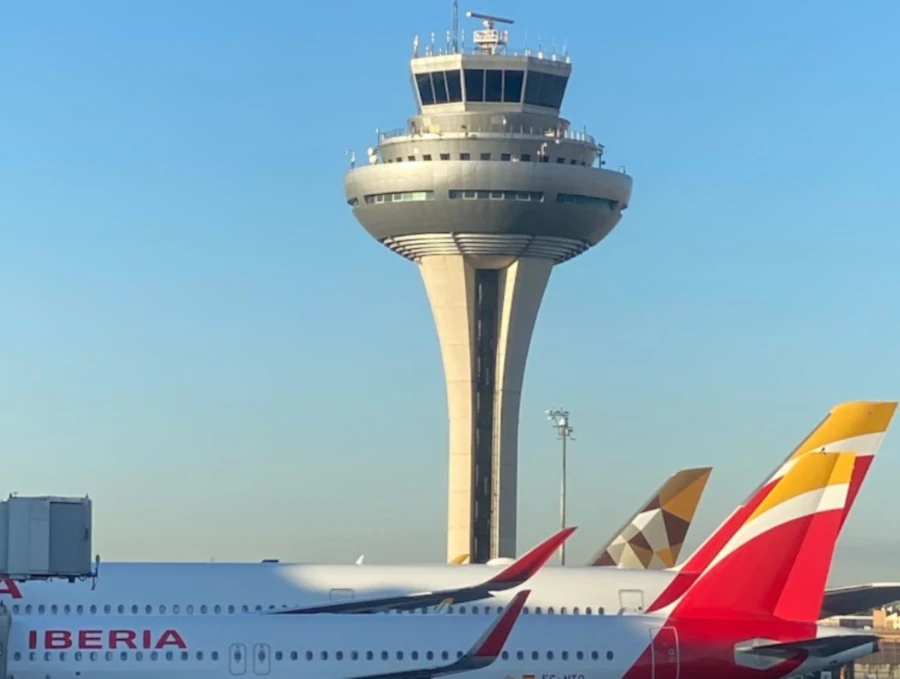
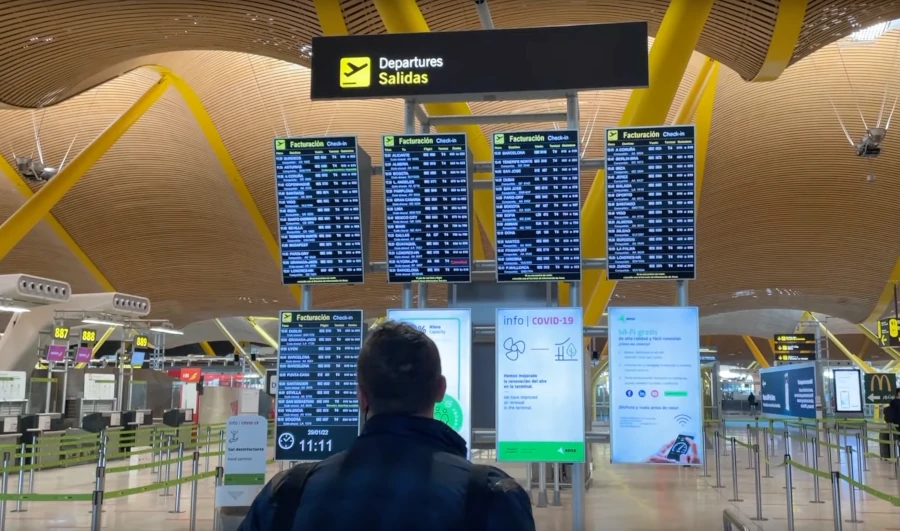
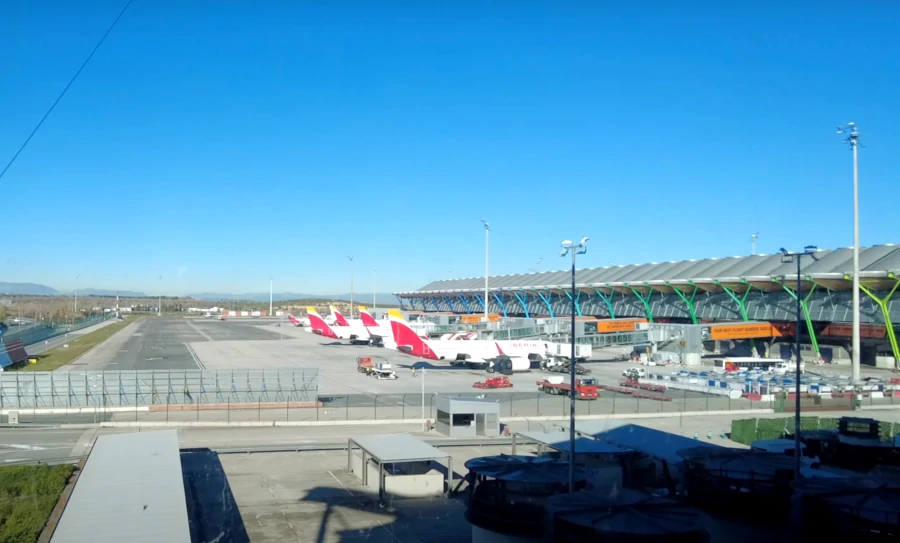
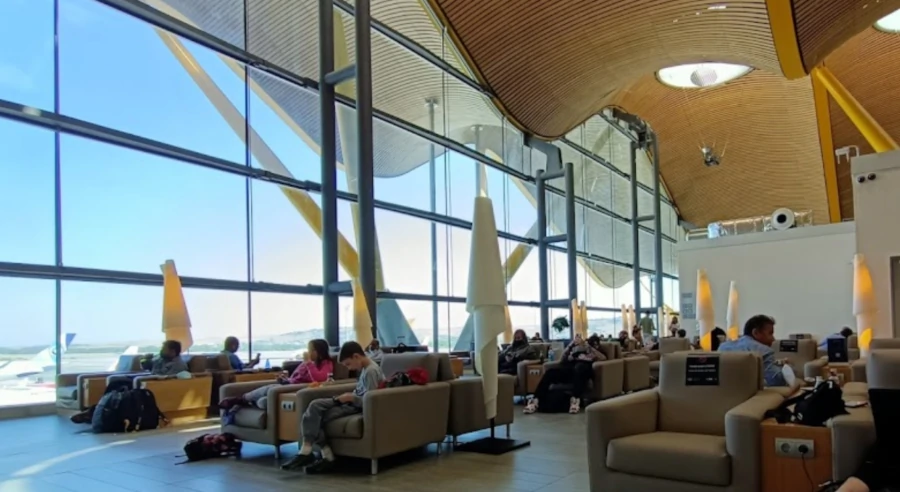
Madrid Airport consists of 5 passenger Terminals (1, 2, 3, 4 and 4S). See more information below:
Terminal 1: Terminal 1 mainly operates with International flights.
Terminal 2: Mostly operating with domestic flights, and eventually intercontinental flights.
Terminal 3: It helps with Terminal 2 operations.
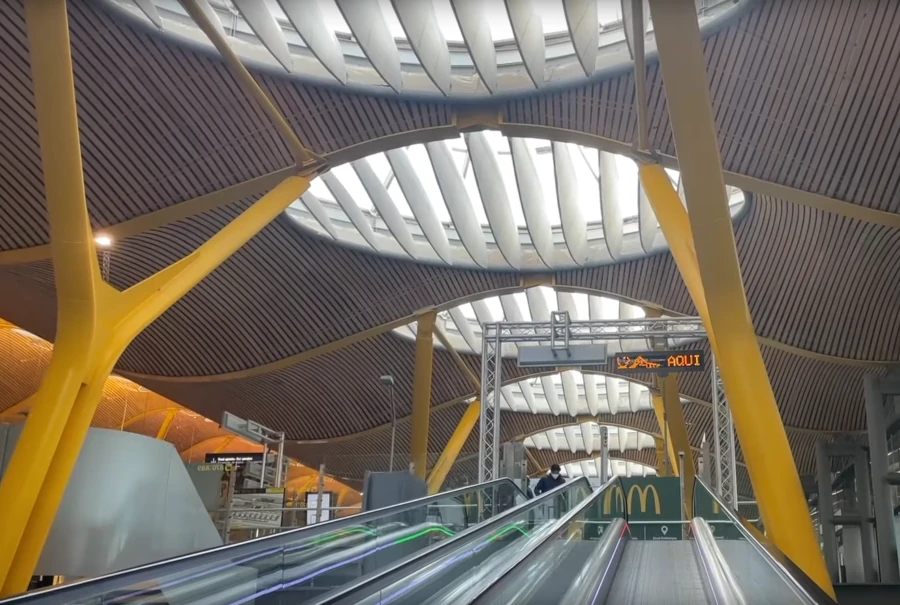
Terminal 4 and 4S: Operating since 2006, these 2 separated terminals are the biggest ones in Madrid Airport.
Reviews +info
On this website, you will find valuable tips and reviews about Madrid Barajas Airport, designed to help you navigate your travel experience smoothly. These reviews can help you understand what to expect in terms of service quality, cleanliness, and overall passenger experience.
-Our Review of Madrid Airport
-Pros and Cons of MAD Airport
-Mini-Guide of the Airport (2’ Guide)
-Other reviews
-Some Stats
Transport +info
The following means of transportation are available at Madrid Airport to get to and from Spain’s capital:
Metro: Get to Madrid city centre by metro line 8 from both Terminal 2 and Terminal 4 within 15 minutes.
Train: C-1 RENFE line links Madrid Airport with the city centre every 30 minutes.
Taxi: Get within 50 minutes to downtown Madrid by taxi. Expect a flat fare of 30€ for rides from Madrid Airport.
Bus: There are several bus routes from Madrid Airport to the city centre.
Car rental: The best option to explore Madrid and its region is by hiring a car at Madrid Airport. Find major car rental companies and great offers by checking our search engine, easy and fast to use!
Contact
Address: Avenida de la Hispanidad s/n. 28042 Madrid, Spain
Telephone: (+34) 902 404 704 / (+34) 91 321 10 00
Official website: www.aena.es/es/adolfo-suarez-madrid-barajas.html
LOST AND FOUND
For lost items within Madrid Airport, please, ask to the Lost & Found offices:
T1 telephone: +34 913 936 119
T4 telephone: +34 917 466 439
Email: mad.seg.objetosperdidos@aena.es
About Madrid
Madrid is the capital of Spain and one of the most dynamic and attractive cities in Europe. Located in the center of the Iberian Peninsula, it combines centuries of history with a vibrant cultural, gastronomic and commercial life, making it an essential destination for millions of travelers every year. From Adolfo Suárez Madrid–Barajas Airport, visitors can reach the city center in about 20–30 minutes using the metro, commuter train, express airport bus or taxi, making the airport an excellent gateway to discover the Spanish capital.
The city is known for its wide avenues, elegant squares and numerous parks. One of the most iconic places is El Retiro Park, one of the largest green spaces in Madrid and a perfect place for walking, exercising or simply relaxing. Inside the park visitors will find popular landmarks such as the Crystal Palace (Madrid) and the Velázquez Palace, both of which currently host art exhibitions and cultural events. The large central lake, where visitors can rent rowing boats, is one of the most photographed spots in the city.
Nearby lies the famous Art Triangle, formed by three of the most important museums in the world: the Museo del Prado, the Thyssen-Bornemisza National Museum, and the Reina Sofía Museum. These museums display masterpieces by artists such as Velázquez, Goya, El Greco, Picasso and Dalí, making Madrid one of the leading cultural destinations for art lovers.
The historic center of Madrid revolves around iconic locations such as Plaza Mayor and Puerta del Sol, two of the liveliest areas in the city. Plaza Mayor, surrounded by historic buildings and arcades, is one of the most traditional places in Madrid, while Puerta del Sol is considered the geographical center of Spain and one of the city’s most symbolic landmarks.
Just a short walk away stands the impressive Royal Palace of Madrid, one of the largest royal palaces in Europe. Although it is the official residence of the Spanish monarchy, today it is mainly used for state ceremonies and public visits. Opposite the palace is the Almudena Cathedral, whose architecture blends neoclassical and modern styles. Nearby, visitors can also explore the elegant Sabatini Gardens, which offer beautiful views of the palace.
For shopping, entertainment and nightlife, Gran Vía is one of the most famous avenues in the city. Often referred to as Madrid’s “Broadway,” it is lined with theaters, cinemas, hotels, shops and restaurants, making it one of the city’s main commercial and cultural hubs.
Madrid’s gastronomy is another major attraction. In many traditional bars and taverns, visitors can taste local specialties such as the famous calamari sandwich, the traditional cocido madrileño stew, or a variety of classic Spanish tapas. Food markets such as the well-known Mercado de San Miguel offer an excellent opportunity to sample local products and typical Spanish dishes.
Finally, one of the best places to enjoy sunset in Madrid is the Temple of Debod, an authentic Egyptian temple donated to Spain in the 1960s. Located in a small park near the Royal Palace, it offers spectacular views of the city and is one of the favorite spots for both visitors and locals.